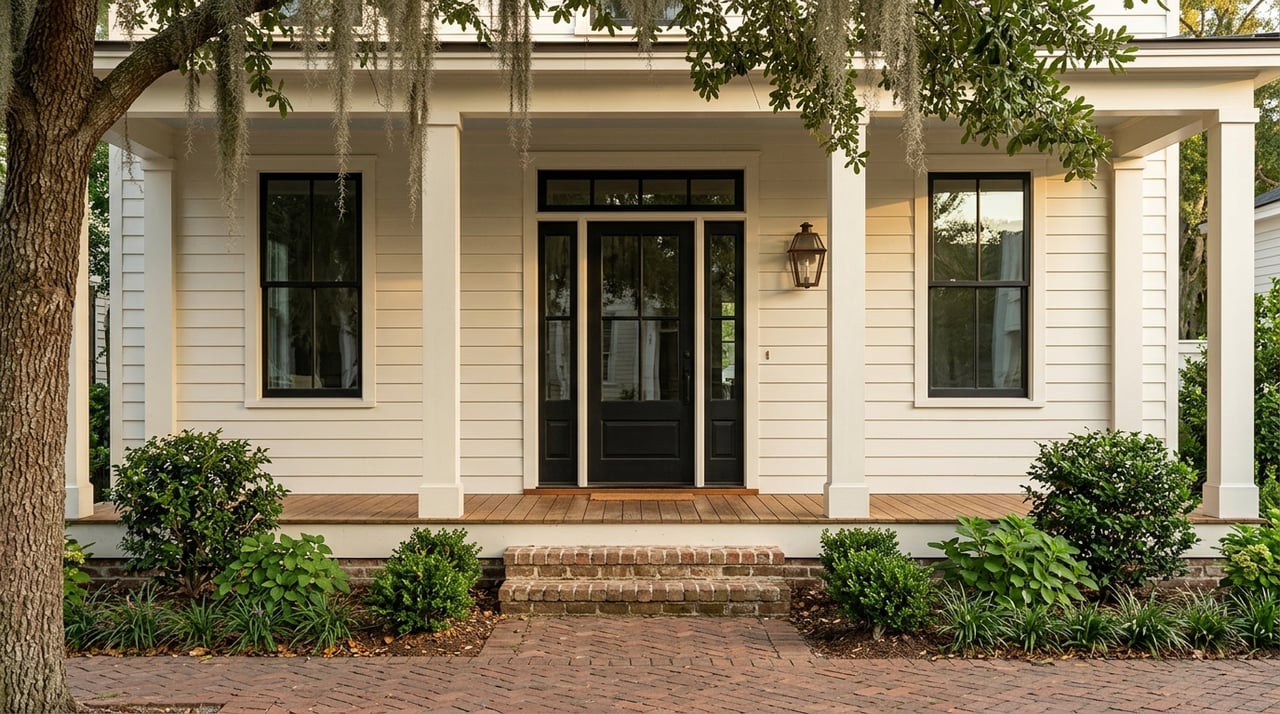
Wondering what everyday life in Savannah really feels like once the vacation glow wears off? That answer depends a lot on where you land. From the walkable historic core to leafy in-town neighborhoods and more suburban-feeling areas nearby, Savannah offers very different day-to-day rhythms, and understanding those patterns can help you choose a home that fits the way you actually live. Let’s dive in.
Savannah living starts with geography
Savannah’s everyday lifestyle is shaped by two patterns at once. You have a highly walkable historic core, and then a wider mix of older in-town neighborhoods and newer suburban-style areas.
The City of Savannah’s Open Neighborhoods map reflects that variety. It helps residents identify neighborhood names, associations, aldermanic districts, and nearby amenities like parks, bikeways, grocery stores, libraries, CAT bus stops, and schools. If you are comparing areas, that kind of practical information matters just as much as curb appeal.
Historic Savannah feels walk-first
If you picture Savannah as shaded squares, older buildings, and streets best explored on foot, you are likely thinking of the historic core. The Savannah Historic District covers about 2.2 square miles and remains one of the city’s most recognizable everyday living environments.
Its original ward-and-square plan still shapes the block pattern and public green spaces today. That layout is a big reason the area feels so connected and walkable in daily life.
What daily life looks like downtown
Living downtown often means you can walk to restaurants, parks, and many everyday stops. The city also operates a free DOT shuttle downtown, with stops every 10 minutes during posted hours, which adds another layer of convenience.
That said, the tradeoff is usually parking and regulation. Downtown parking is managed through garages and visitor parking passes, and some local historic districts have design-review requirements that can affect exterior changes and property updates.
What to expect in the historic core
- A walkable routine for errands, dining, and leisure
- Streets defined by public squares, live oaks, and older architecture
- More attention to parking logistics than in suburban areas
- Neighborhood-specific development or design rules in some districts
For some buyers, that is exactly the charm. For others, it is a reminder that lifestyle fit matters just as much as home style.
In-town neighborhoods offer more variety
Outside the historic core, Savannah’s in-town neighborhoods each have their own personality. Some feel more urban and mixed-use, while others lean residential with larger lots, traditional homes, and quieter streets.
This is where Savannah starts to show more range. You can still get historic character and strong neighborhood identity, but your day-to-day experience may feel very different from downtown.
Ardsley Park-Chatham Crescent feels classic
Ardsley Park-Chatham Crescent is one of Savannah’s clearest examples of a planned residential neighborhood with lasting character. Developed beginning in 1910 as two planned subdivisions, it combines a regular grid with landscaped squares in Ardsley Park and a Beaux Arts, City Beautiful layout in Chatham Crescent.
Homes are mostly one- and two-story single-family houses, and many include rear garages. For everyday living, that often translates to a neighborhood feel that is more residential than downtown while still holding onto the Savannah details people love.
Why Ardsley Park stands out
- Early-20th-century single-family homes
- Planned layout with landscaped public spaces
- A more residential rhythm than the historic core
- Distinct architecture and lot patterns
If you want character without quite as much downtown intensity, this kind of neighborhood often appeals to you.
Thomas Square feels more urban
Thomas Square / Streetcar has a different energy. City and planning documents describe it as a historic district with residential, commercial, and community buildings, which gives it a more mixed-use and urban feel.
The architecture is wide-ranging, including Queen Anne, Folk Victorian, Italianate, Neoclassical Revival, Colonial Revival, Beaux Arts, and Craftsman styles. In practical terms, that means your streetscape and housing options may feel more varied block to block.
Everyday living in Thomas Square
Thomas Square can work well if you want an in-town setting with historic character and a more connected, active feel. Neighborhood involvement has also played a visible role in preserving neighborhood character, housing affordability, and residential infill.
For buyers and sellers alike, this is a reminder that not all historic Savannah neighborhoods function the same way. Some are more purely residential, while others blend homes, commerce, and community spaces into everyday life.
Cuyler-Brownville feels grounded and historic
Cuyler-Brownville offers another version of in-town Savannah living. City design materials describe its corner stores as traditional gathering places and note that many of the district’s buildings are simple and modest in ornamentation.
That gives the neighborhood a more grounded, neighborhood-commercial feel. Rather than feeling like a showcase district, it reads more like a historic neighborhood shaped by front porches, local businesses, and older walking patterns.
Fairway Oaks-Greenview feels more suburban
Not every in-town area in Savannah feels historic in the same way. Fairway Oaks-Greenview reflects a more suburban-feeling pattern, with two contiguous residential subdivisions developed between the 1950s and early 1960s.
That matters if you like Savannah but want a daily rhythm that feels a little less dense or formal. It is a good example of how the city includes older suburban-style pockets alongside its more iconic historic neighborhoods.
What in-town routines usually mean
Across many of Savannah’s in-town neighborhoods, a few patterns show up again and again. You are more likely to find older homes, more architectural variety, and stronger sidewalk culture than in many outer-ring suburban areas.
At the same time, lot sizes, parking setups, and renovation flexibility can vary quite a bit. If a neighborhood has a historic overlay, development standards and review requirements may affect future changes to a property.
Common in-town lifestyle features
- Traditional houses, cottages, bungalows, and early-20th-century homes
- Easier access to downtown-adjacent amenities than outer suburbs
- More variety in parking and lot configuration
- Possible historic overlay rules depending on the neighborhood
Nearby suburbs offer a different rhythm
If your ideal day includes more driving, newer neighborhood layouts, or a more suburban pace, Savannah’s surrounding communities may feel like a better fit. Pooler and Richmond Hill are useful comparison points because they stay connected to the Savannah area while offering a different kind of routine.
These areas tend to feel more car-oriented than the historic core. They also reflect a more typical suburban pattern, with housing and recreation organized differently from Savannah’s square-centered neighborhoods.
Pooler feels close and convenient
Pooler is one of the closest suburban comparison points to Savannah. Census QuickFacts show a mean travel time to work of 24.1 minutes in Pooler, compared with 20.7 minutes in Savannah and 23.0 minutes across Chatham County overall.
Pooler’s planning summary shows that most housing units are single-unit structures, and the city also prioritizes expanded trails, paths, and recreation areas. That combination supports a daily routine that is still connected to the metro area but more car-oriented than life in central Savannah.
Everyday life in Pooler
Pooler’s recreation system helps define its suburban feel. Facilities include the Pooler Recreation Complex, Pooler Park, a community and senior center, and other parks with ballfields, playgrounds, tennis, and pickleball.
If you are deciding between Savannah and Pooler, the question is often less about which is better and more about which rhythm fits you best. One leans walkable and historic, while the other leans convenient and suburban.
Richmond Hill feels quieter and more spacious
Richmond Hill sits farther south and often feels even more suburban in its daily pattern. Census QuickFacts show a mean travel time to work of 29.8 minutes, and the city’s planning materials note that suburban development has been the largest source of residential growth.
Commercial development is concentrated along major corridors and I-95 interchanges, while parks, recreation, and conservation account for the largest share of developed land. That setup creates a quieter and more spacious everyday environment than Savannah’s in-town districts.
Recreation shapes Richmond Hill living
Richmond Hill’s park system is a big part of local life. J. F. Gregory Recreational Park alone spans 335 acres and includes a bike trail, walking trail, picnic areas, playground, lagoon, and birding tower.
If outdoor space and a slower suburban pace matter to you, Richmond Hill offers a very different feel from the historic blocks and denser streets of Savannah.
Commute and convenience matter daily
When people compare Savannah neighborhoods, commute time often becomes part of the conversation quickly. The broad pattern is simple: living closer to Savannah’s core usually shortens the drive, while moving farther out often means spending more time in the car.
Citywide and communitywide averages help frame that reality. Savannah comes in at 20.7 minutes mean travel time to work, Chatham County at 23.0 minutes, Pooler at 24.1 minutes, and Richmond Hill at 29.8 minutes.
These are not neighborhood-specific commute times, but they do help you think through your daily routine. If you value a shorter drive, that may push you toward in-town Savannah. If you want more space or a more suburban layout, the extra drive may feel worth it.
Parks are part of Savannah’s routine
One of Savannah’s strongest quality-of-life features is its park system. Forsyth Park is a 30-acre park with a 1.5-mile loop, historic monuments, and the city’s iconic fountain, while Daffin Park includes a 1.5-mile walking trail, courts, a pool, playground, and picnic areas.
The city also lists additional trails and bike corridors across town, including the Savannah-Ogeechee Canal and neighborhood walking routes. No matter which part of the area you prefer, access to green space is part of how many residents experience everyday life.
How to choose the right fit
The best Savannah neighborhood for you depends on how you want your regular Tuesday to feel. Do you want to walk more, drive less, and live surrounded by historic streetscapes? Or would you rather have a more suburban pattern with recreation complexes, larger park systems, and a quieter pace?
When you compare neighborhoods, focus on the basics of daily living:
- How often you want to drive
- How important parking is to you
- Whether you prefer historic character or a more suburban layout
- How close you want to be to parks, groceries, libraries, and transit stops
- Whether property rules or historic review requirements could affect your plans
Savannah is not one-note. That is part of its appeal. The area gives you multiple ways to live well, but the smartest move is choosing the one that fits your routine, not just your first impression.
If you are thinking about buying or selling in Savannah, Pooler, Richmond Hill, or nearby Coastal Georgia, working with a local advisor can help you narrow down not just where you want to live, but how you want to live. When you are ready for thoughtful guidance and a polished, grounded real estate experience, connect with Toria Wallace.
FAQs
How walkable is everyday life in Savannah neighborhoods?
- Downtown Savannah is the most walkable, while some in-town neighborhoods also support a walk-first routine. Outer neighborhoods and nearby suburbs like Pooler and Richmond Hill are generally more car-dependent.
What types of homes are common in Savannah’s in-town neighborhoods?
- In-town Savannah often includes older and more varied housing, such as cottages, bungalows, and early-20th-century single-family homes. Neighborhoods like Ardsley Park, Thomas Square, and Cuyler-Brownville each have their own architectural mix.
How important is parking in historic Savannah?
- Parking matters much more in the historic core than in more suburban areas. Downtown living may involve street parking, garages, visitor parking passes, and neighborhood-specific parking considerations.
Where can you check neighborhood amenities in Savannah?
- The City of Savannah’s Open Neighborhoods map helps identify neighborhood names and nearby amenities such as parks, bikeways, grocery stores, libraries, bus stops, and schools.
How do Savannah, Pooler, and Richmond Hill compare for commuting?
- Census QuickFacts show mean travel times to work of 20.7 minutes in Savannah, 24.1 minutes in Pooler, and 29.8 minutes in Richmond Hill, which helps frame the difference between in-town and suburban daily routines.